Season 2 Data Shows Pro Play Did Not Mirror Ranked
Jetpack Cat's airborne pairings dominated broadcasts, but high-rank bans contained the strategy before it became normal across the ladder.
At a glance
- Wuyang win-rate gain
- 0.8 points
- Random launch-week votes
- 20-25%
- Current random votes
- About 18%
The Catstion problem stayed concentrated at the top
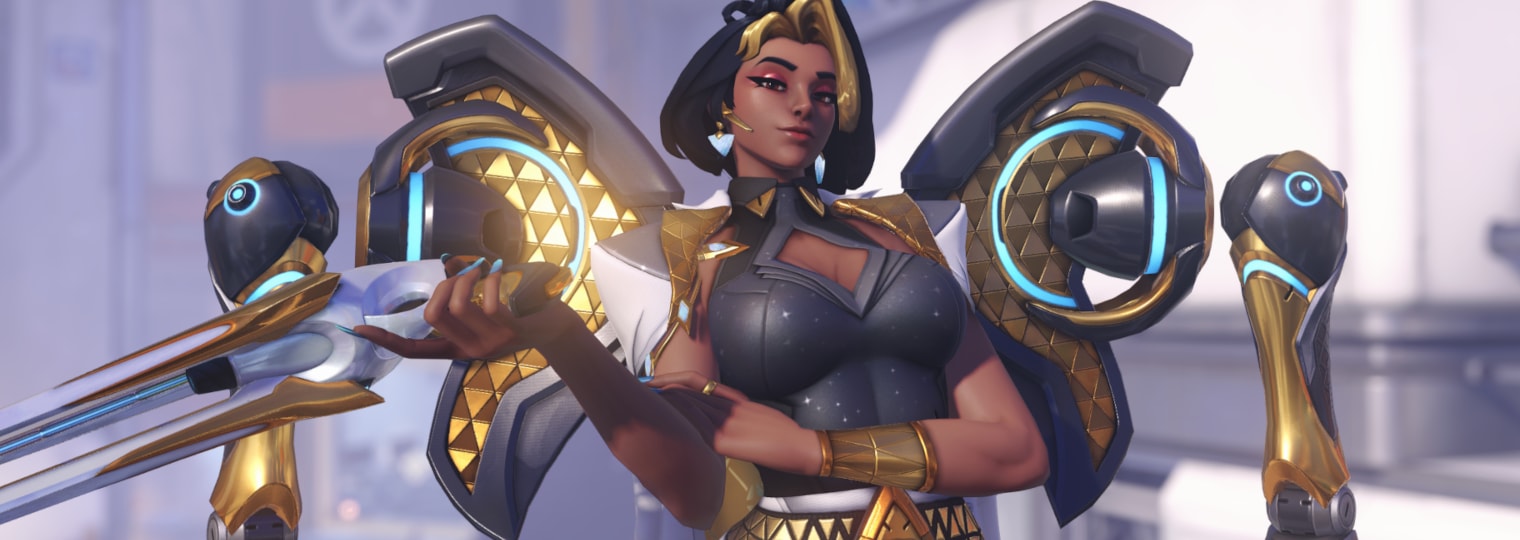
Professional teams used Jetpack Cat to carry Bastion, Cassidy, and other damage heroes into aerial attack positions. The combination became common on OWCS broadcasts, but Blizzard's data showed it had not taken over ordinary ranked matches in the same way.
After Crazy Raccoon introduced the approach, Jetpack Cat bans rose sharply in Champion and then across ranks above Diamond. Those bans prevented the strategy from appearing often enough to become a universal ladder problem.
Regional bans followed different threats
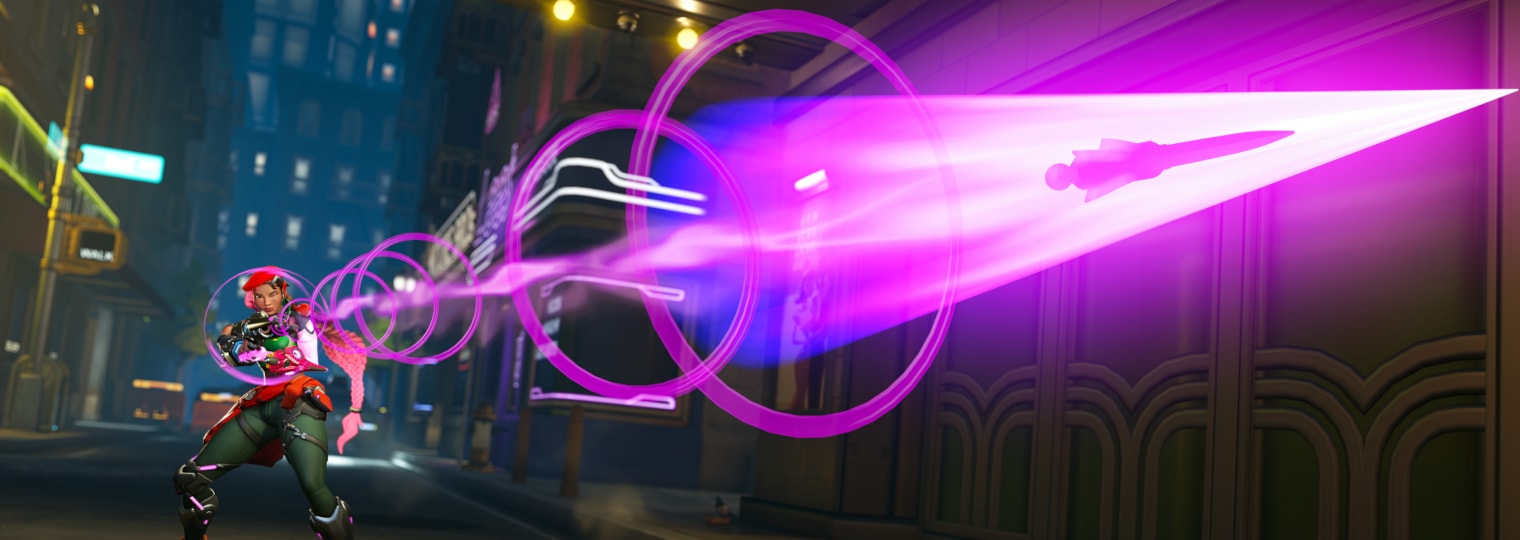
Asian servers reacted quickly to Pharah's Season 2 base-kit upgrades, while players in the Americas increasingly banned Sierra. Sierra never passed a 28% ban rate in Asia, showing how regional habits can separate even when everyone plays the same live build.
A Wuyang armor bug supplied a different kind of evidence. Once his primary fire stopped taking doubled armor reduction, his unmirrored ranked win rate rose 0.8 percentage points without a matching increase in play rate.
Map voting changed by rank
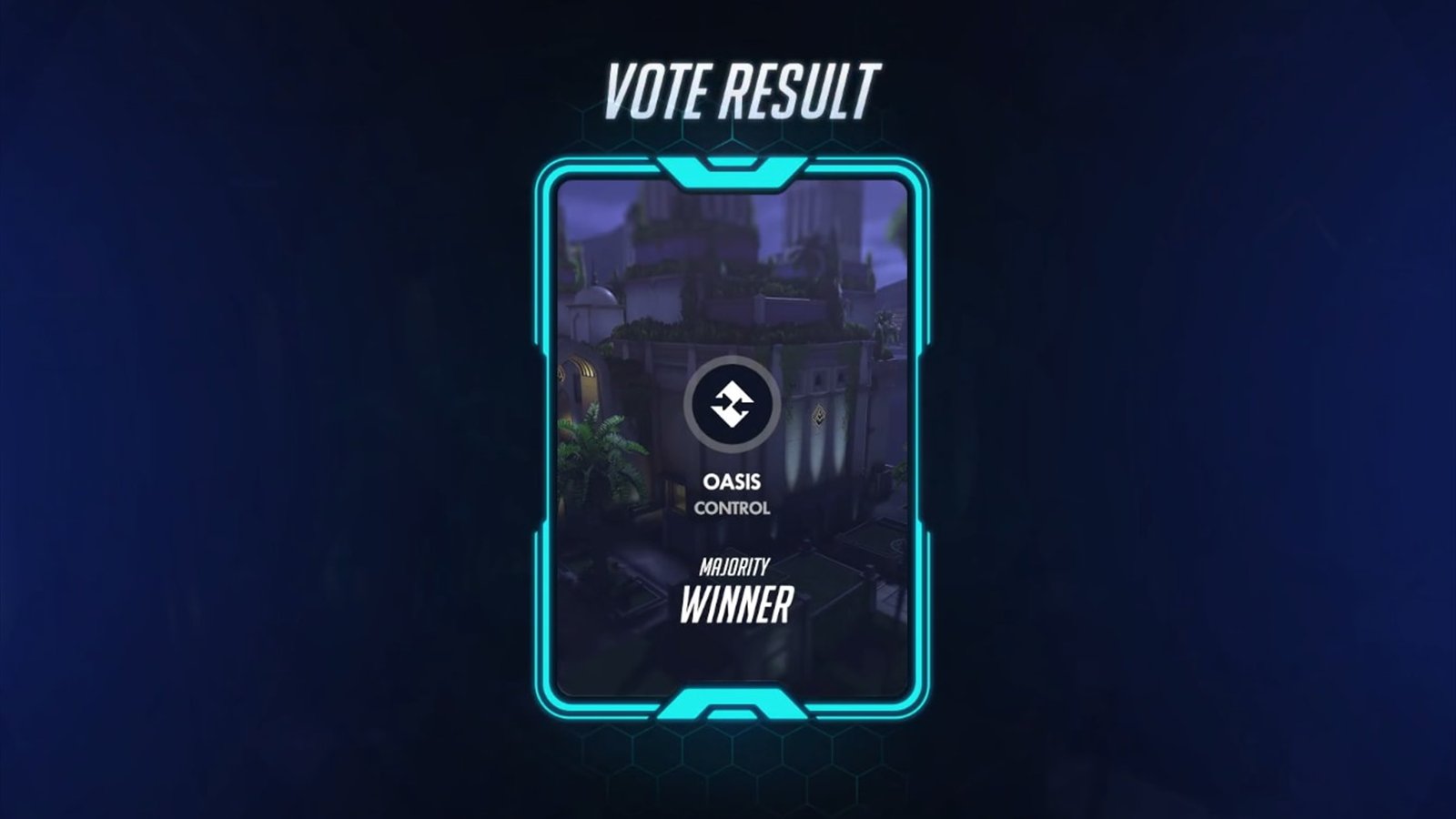
The Random option captured 20-25% of map votes during the first week of Season 2 and later settled near 18%. That temporarily reduced the apparent chosen rate of every named mode at once.
Across all ranks, Hybrid and Escort led the vote. Masters and above preferred Control by nearly ten points over any other map type, while Flashpoint and Push performed better at high rank than in the full population. The numbers made one conclusion difficult to defend: there was no single map preference shared by the entire ladder.